12May |
Why Venue Rules Matter When Booking Event Rentals in Middle TennesseeEvent Planning Guides |
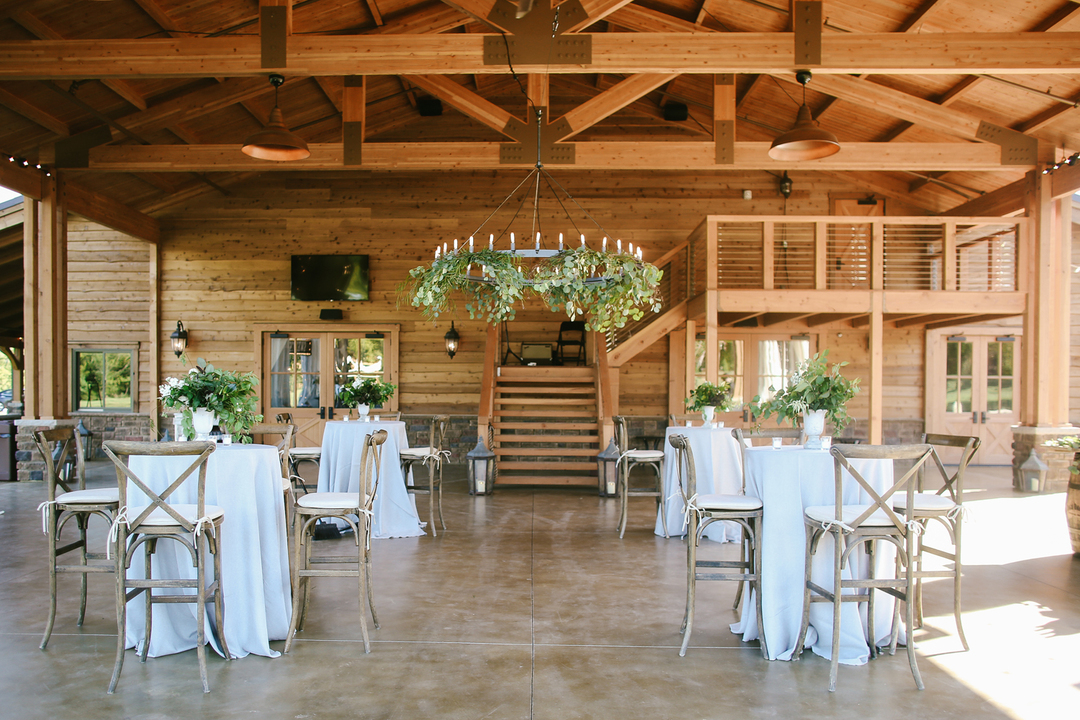
Booking a beautiful venue is one of the most exciting parts of event planning. Reading the fine print that comes with it is considerably less exciting. But venue rules have a direct impact on how event rentals in Middle Tennessee are scheduled, delivered, and executed—and when those rules are overlooked, they create problems that fall on the host or planner on event day.
This post covers the venue rules that matter most when planning rentals, why they exist, and how to navigate them before they become surprises.
Load-In and Access Windows
This is the most common source of friction between rental companies and venues. Every venue has rules about when vendors can access the property to set up, and those windows vary significantly across Middle Tennessee.
Some venues allow rental teams to begin setup the morning of the event. Others require everything to be in place the evening before. Certain properties have staggered vendor access, meaning different vendors are assigned different arrival times to avoid congestion on a shared loading dock or narrow access path.
When a rental company is not informed of these rules upfront, delivery gets scheduled without accounting for them. That can mean arriving at a venue that is not yet accessible, competing with other vendors for limited setup time, or rushing an install that should have had more room to breathe.
Experienced rental companies ask about access windows before the order is confirmed. If your venue has restrictions, share them early. It changes how the entire delivery and setup timeline is built.
Vendor Approval Lists
Many venues in Middle Tennessee maintain a list of preferred or approved vendors. Some require that all vendors be on that list. Others strongly encourage it without making it mandatory. Either way, it is worth understanding before you book a rental company.
Approved vendor lists exist because venues have worked with those companies before and trust them to operate within the property’s rules and standards. A rental company that is already on a venue’s preferred list knows the space, understands the access requirements, and has an established working relationship with venue staff. That familiarity reduces friction on event day.
If your rental company is not on the approved list, check with your venue coordinator before moving forward. Some venues will approve new vendors on a case-by-case basis. Others will not. Finding this out early saves everyone significant time and avoids the painful situation of switching rental vendors close to an event date. A scenario that comes up more often than you might expect when booking event rentals in Middle Tennessee.
Noise and Time Restrictions
Nashville has no shortage of residential-adjacent event venues, historic properties, and outdoor spaces with strict noise ordinances or curfews. These rules affect not just the event itself but the rental setup and breakdown process.
Some venues require all vendor activity, including breakdown, to conclude by a specific time in the evening. If a rental team is scheduled to return for pickup after the event and that pickup window runs past the venue’s cutoff, there is a problem. Either breakdown gets rushed, items get left behind temporarily, or the host gets charged for a venue overtime violation.
Noise restrictions can also affect outdoor setup. Power tools, equipment carts on hard surfaces, and general crew activity all create noise. At venues near residential areas or in historic districts, that can be a legitimate concern during early morning or late evening install windows.
Ask your venue for their full vendor operating hours before your rental timeline is confirmed. A good rental company will build its schedule around those boundaries without needing to be reminded twice.

Weight and Surface Requirements
Outdoor venues, historic properties, and certain ballroom floors often have surface restrictions that affect what rental equipment can be used and how it is installed. Hardwood floors may prohibit certain furniture legs without protective pads. Outdoor lawns may have weight restrictions that limit what can be rolled across the grass. Some historic venues restrict the use of tape, adhesives, or anchoring hardware on walls and floors.
These rules are not always obvious, and rental companies that are unfamiliar with a venue may not know to ask. The result can be damaged flooring, a venue coordinator stopping setup mid-install, or last-minute substitutions that affect the look of the space.
If your venue has surface restrictions, communicate them to your rental company when you first discuss the order. It affects what equipment is selected and how the setup crew approaches the install.
Tent and Structure Permits
Outdoor events in Middle Tennessee that require tenting may also require permits, particularly for larger structures or events held in certain municipalities. Permit requirements vary by city, county, and structure size. Some venues handle this process themselves. Others expect the client or rental company to manage it.
This is an easy detail to miss, especially for hosts planning their first large outdoor event. A tent that goes up without the required permit can create liability issues and in some cases result in the structure being required to come down before the event begins. Confirm with your venue and local municipality whether a permit is needed and who is responsible for obtaining it.
What Happens When Venue Rules Are Ignored
The short answer is that problems compound quickly. A missed access window pushes back setup, which pushes back every other vendor, which creates a domino effect that the host or planner has to manage in real time. A vendor not on the approved list can be turned away at the gate. A noise violation at breakdown can result in fines that fall on the client.
None of these outcomes are inevitable. They are all preventable with early communication between the client, the venue, and the rental company. For a closer look at the most common rental planning mistakes and how to avoid them, this post on common event rental mistakes covers the full picture.
How Southern Events Navigates Venue Rules
Southern Events has worked across venues throughout Nashville and Middle Tennessee for years. The team asks about access windows, surface requirements, and vendor restrictions as part of the standard planning process. When venue rules are shared early, the entire delivery, setup, and breakdown timeline is built around them from the start.
For event planners, this means fewer logistics questions to manage on your end. For individual clients, it means the rental process runs smoothly without requiring you to become an expert in venue logistics.
If you are booking event rentals in Middle Tennessee and want a team that knows how to work within venue requirements, Southern Events is ready to help. Reach out today to start the conversation.
FEATURED RENTALS |
SEE MORE LIKE THIS